ExternalFrontend Development
Next.js Blog
Next.js Security Release and Our Next Patch Release
Next.js is moving to a formal security release process
Next.js BlogRead original
Insights
Engineering perspectives on architecture, product development, AI, and the everyday decisions behind useful software.
From the engineering desk
Browse practical articles or follow the latest technology updates.
Subscribe via RSS →Curated links from external sources — not 360Softy original articles.
Next.js is moving to a formal security release process
Unauthenticated attackers could obtain the broker's confidential OAuth client secret, allowing them to take control of the broker. The post RabbitMQ Vulnerability Threatens Enterprise Systems appeared first on SecurityWeek.
Comments
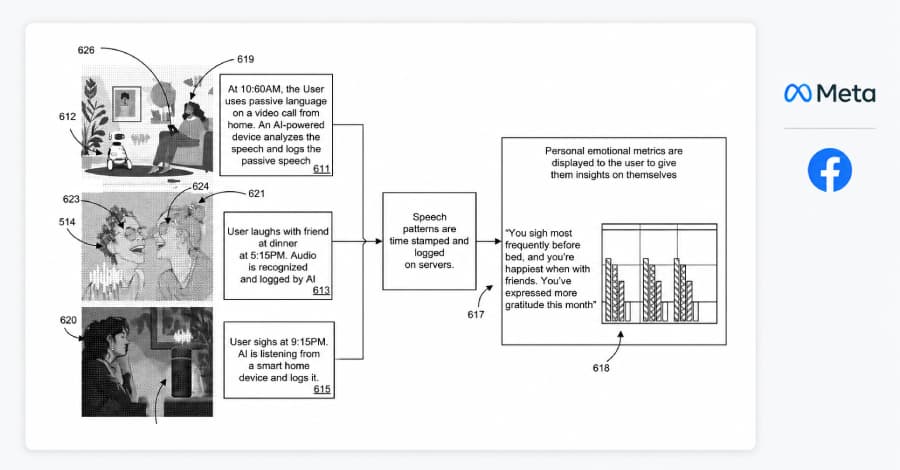
Meta has filed a patent application for an AI that listens to your voice throughout the day, works out how it thinks you are feeling from the way you sound, and keeps a timestamped log of every read. Each read gets pinned to the moment it happened: the time, your location, what you were doing, even how you were using your phone. Some versions in the filing would listen all day; others would
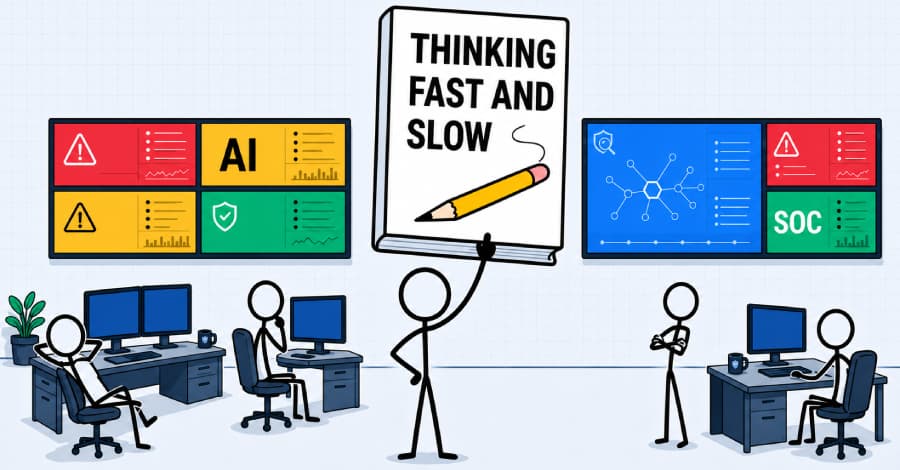
A few days ago, I was sitting with the CISO of a Fortune 50 company, walking through how his security team was thinking about AI agents in the SOC. Smart team. Serious program. They had already connected Claude to a few detection tools and were seeing real value in specific investigations. But as we mapped out the broader architecture, something kept nagging at me. The design they were building
As more organizations move to use OpenTelemetry in production at scale, with multiple Collectors across heterogeneous environments, a new challenge arises: how to remotely manage, configure, and update this agent fleet in a consistent and secure...
The European Union and the United Kingdom jointly sanctioned dozens of Russian individuals and entities and accused Russia of coordinating a network of hacking groups responsible for attacks across Europe. [...]
Comments
Let’s start with a conversation
An idea, a challenge, or a system that needs to work better. We’ll help you understand the next step.
Prefer email? [email protected]