ExternalTechnology Trends
Hacker News
From Muon to Gradient Clipping: Some Thoughts on QK Stability
Comments
Hacker NewsRead original
Insights
Engineering perspectives on architecture, product development, AI, and the everyday decisions behind useful software.
From the engineering desk
Browse practical articles or follow the latest technology updates.
Subscribe via RSS →Curated links from external sources — not 360Softy original articles.
Comments
Once a notorious blackhat hacker, McGraw shares his journey from high school hacking and prison to redemption as a cybersecurity advocate. The post Hacker Conversations: Jesse McGraw (GhostExodus), From Blackhat Hacker to Redemption appeared first on SecurityWeek.
German discount supermarket chain Lidl notified customers in Germany, Belgium, and the Netherlands that attackers stole their personal information in a breach at a service provider. [...]
Learn how attackers abuse Entra ID through a free hands-on Capture the Flag. Varonis created the Breach at the Beach CTF to teach defenders how to investigate Entra ID attack techniques using realistic scenarios. [...]
Java Flight Recorder (JFR) captures an enormous amount of detail about what your application is doing — but raw JFR files are only as useful as the tools you have to explore them. Jeffrey is an open-source JFR analyzer that specializes in turning JFR events into interactive visualizations, and Jeffrey Microscope is its standalone, single-user deployment: a self-contained application that lets you import recordings and dig into flamegraphs, timeseries, and other views right in your browser. Getti
Modern applications can fail in many different ways, from performance regressions and frontend errors to systems that break under heavy load. Because no single testing or monitoring approach can catch every type of failure, effective reliability testing requires multiple layers that validate your application before, during, and after their release. In this post, we'll look at how three solutions in Grafana Cloud—Synthetic Monitoring, Frontend Observability, and k6—work together to form a compre
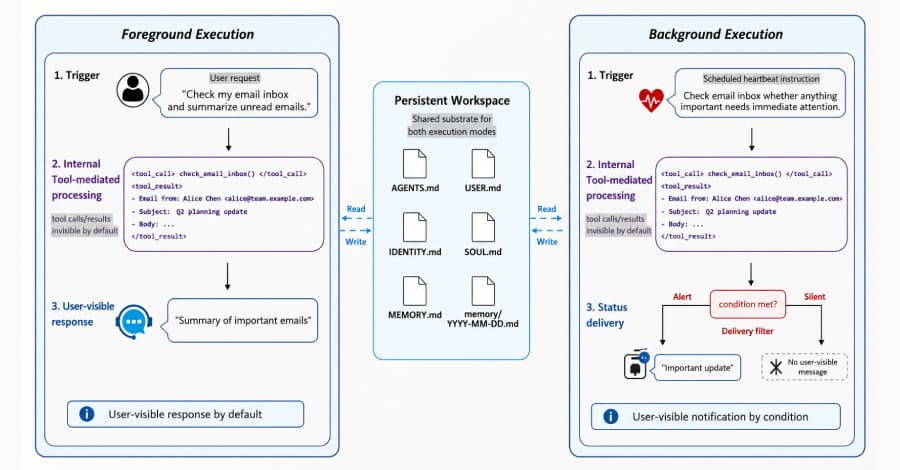
Give an AI assistant a memory and access to your inbox, and you hand an attacker a way to rewrite what it thinks it knows about you. A single email can trick that agent into saving a false "fact" about the user, hide the change, and quietly steer its answers in later sessions. When it works, the person reads an ordinary-looking reply and never learns their assistant was tampered with. The
Comments
Let’s start with a conversation
An idea, a challenge, or a system that needs to work better. We’ll help you understand the next step.
Prefer email? [email protected]