Skip to content
HomeInsights

Insights

Ideas for building
better software.

Engineering perspectives on architecture, product development, AI, and the everyday decisions behind useful software.

From the engineering desk

Browse practical articles or follow the latest technology updates.

Subscribe via RSS →

Curated links from external sources — not 360Softy original articles.

ExternalSoftware Engineering
DZone

Docker Containers Don’t Know Your Model Is Still Loading

It was a Friday at 4:50 pm, the worst possible time for anything to go sideways when marketing flipped on a new AI summarization feature for the whole user base instead of the 5% rollout we'd agreed on. Traffic to our LLM service doubled in about four minutes. The autoscaler did exactly what it was told: it spun up three new replicas. What it didn't account for is that each replica needed almost three minutes just to pull a 14GB checkpoint and warm up CUDA kernels before it could answer a single

ExternalAI
AWS Machine Learning Blog

How LendingTree built a multi-agent mortgage assistant on Amazon Bedrock

Learn how LendingTree built a production multi-agent mortgage assistant on Amazon Bedrock. Three coordinated agents use LangGraph, the Model Context Protocol, and Amazon Nova models with built-in guardrails to deliver 24/7 personalized mortgage guidance while meeting strict financial-services compliance.

Amazon BedrockCustomer SolutionsIntermediate (200)
AWS Machine Learning BlogRead original
ExternalDevOps
AWS Containers Blog

Under the hood: how Amazon EKS Auto Mode detects, repairs, and diagnoses node failures

On Amazon EKS Auto Mode, node failures are detected, drained, and replaced automatically before anyone reaches for a laptop. This post shows how the Node Monitoring Agent and Karpenter form a detect-and-replace cycle that runs by default, why specific faults trigger node replacement, and how to collect node diagnostics without SSH.

Advanced (300)Amazon Elastic Kubernetes ServiceTechnical How-to
AWS Containers BlogRead original
External
The Hacker News

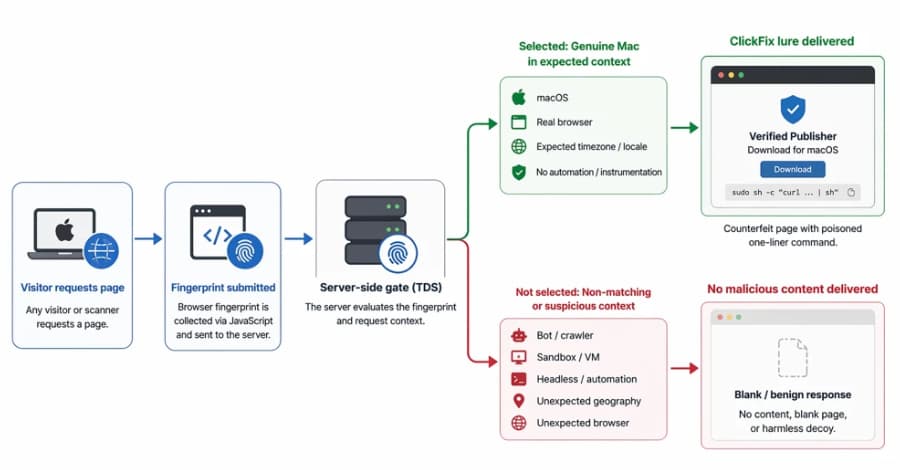
Over 250 ClickFix Domains Use Browser Fingerprinting to Hide macOS Malware Lures

A macOS ClickFix operation spanning more than 250 front-end domains now fingerprints visitors before deciding whether to show them a malware lure, a change Microsoft Threat Intelligence tracked on infrastructure it had been watching for weeks. The server-side gate hides the malicious page from crawlers and sandboxes while presenting selected Mac users with a fake software download. Microsoft

The Hacker NewsRead original

Let’s start with a conversation

Tell us what you’re working on.

An idea, a challenge, or a system that needs to work better. We’ll help you understand the next step.