
External
Prisma Blog
Wrap a REST API with GraphQL - A 3-step tutorial | Prisma
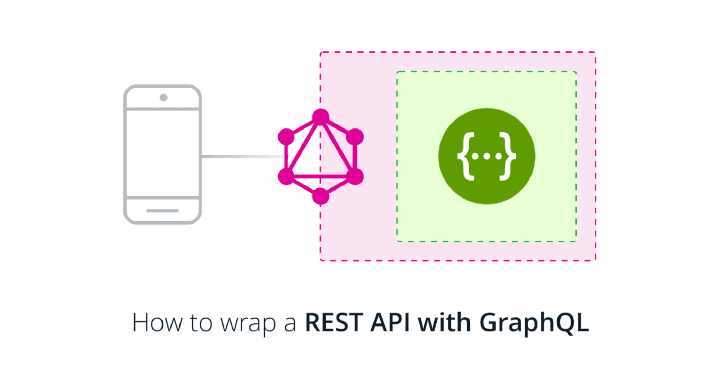
Learn how to wrap a REST API with GraphQL in three steps and expose a more flexible query interface for clients.
Prisma BlogRead original
Insights
Engineering perspectives on architecture, product development, AI, and the everyday decisions behind useful software.
From the engineering desk
Browse practical articles or follow the latest technology updates.
Subscribe via RSS →Curated links from external sources — not 360Softy original articles.
Learn how to wrap a REST API with GraphQL in three steps and expose a more flexible query interface for clients.
We’ve co-authored a paper that forecasts how malicious actors could misuse AI technology, and potential ways we can prevent and mitigate these threats. This paper is the outcome of almost a year of sustained work with our colleagues at the Future of Humanity Institute, the Centre for the Study of Existential Risk, the Center for a New American Security, the Electronic Frontier Foundation, and others.
We’re excited to welcome new donors to OpenAI.
We’ve designed a method that encourages AIs to teach each other with examples that also make sense to humans. Our approach automatically selects the most informative examples to teach a concept—for instance, the best images to describe the concept of dogs—and experimentally we found our approach to be effective at teaching both AIs
We’ve built a system for automatically figuring out which object is meant by a word by having a neural network decide if the word belongs to each of about 100 automatically-discovered “types” (non-exclusive categories).
Learn what the `info` argument in GraphQL resolvers contains and how it helps with selection sets, execution context, and server internals.
Let’s start with a conversation
An idea, a challenge, or a system that needs to work better. We’ll help you understand the next step.
Prefer email? [email protected]