Skip to content
HomeInsights

Insights

Ideas for building
better software.

Engineering perspectives on architecture, product development, AI, and the everyday decisions behind useful software.

From the engineering desk

Browse practical articles or follow the latest technology updates.

Subscribe via RSS →

Curated links from external sources — not 360Softy original articles.

ExternalCloud
Google Cloud Blog

Now in preview: Find and fix software vulnerabilities with CodeMender

As adversarial AI threats accelerate attacks on code, security teams must counter them with machine-speed defenses that can automate code remediation and fight AI with AI. CodeMender is our managed code security agent, and starting today, we're bringing its code scanning and remediation capabilities directly to you in preview. CodeMender offers access to our generally available models via Gemini Enterprise Agent Platform, or it can be deployed as a core component of AI Threat Defense.  CodeMende

AI & Machine LearningSecurity & Identity
Google Cloud BlogRead original
ExternalSoftware Engineering
DZone

Spec-Driven Development Renamed an Old Problem; It Didn't Solve It

Spec Kit, OpenSpec, BMAD, Kiro — all of it is built on the assumption that a spec can stay the source of truth. It can't, for the same reason design docs and wikis never stayed current either. I think the interesting unsolved problem in this space isn't "more rigorous specs," it's "specs that don't require a human to remember to update them." Curious if people running these in production agree. The Pitch Everyone's Making Right Now Spec-driven development has become the default answer to "AI age

ExternalTechnology Trends
Wired Business

Nvidia Wants to Own Every Chip Inside AI Data Centers

Nvidia’s Vera Rubin platform combines CPUs and GPUs into a single system, reflecting the company’s growing ambition to power every layer of AI infrastructure.

BusinessBusiness / Artificial IntelligenceBusiness / Big Tech
Wired BusinessRead original
External
The Hacker News

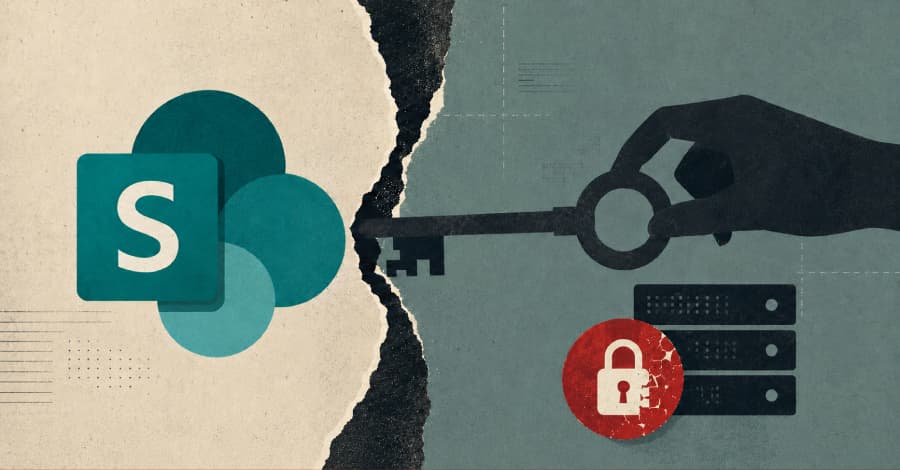
Critical SharePoint RCE CVE-2026-50522 Under Active Exploitation After Public PoC

A third SharePoint Server flaw patched by Microsoft as part of its Patch Tuesday update for July 2026 has come under active exploitation, per watchTowr. The vulnerability in question is CVE-2026-50522 (CVSS score: 9.8), a critical deserialization of untrusted data in Microsoft Office SharePoint that could allow an unauthorized attacker to execute code over a network. Microsoft credited DEVCORE

The Hacker NewsRead original
External
The Hacker News

Qilin Ransomware Attackers Exploit PAN-OS Authentication Bypass for Initial Access

Threat actors have been observed exploiting a now-patched high-severity Palo Alto Networks PAN-OS vulnerability as an entry point to deploy Qilin (aka Agenda) ransomware on victim environments. Arctic Wolf Labs said it investigated multiple intrusions in June 2026 that began with the exploitation of CVE-2026-0257 (CVSS score: 7.8), an authentication bypass flaw affecting the portal and gateway

The Hacker NewsRead original
ExternalCybersecurity
BleepingComputer

Closing the Identity Gaps in Critical Infrastructure Security

Critical infrastructure attacks often begin with stolen credentials, compromised devices, or trusted accounts. Specops Software explains why Zero Trust should verify both user identities and device trust before granting access to critical systems. [...]

Security
BleepingComputerRead original
ExternalSoftware Engineering
DZone

One Click From Requirements to Production: The Promise and the Reality

Every few months, a new demo circulates in engineering circles. A product manager types a requirement into a chat window. The AI reads the docs, scans the codebase, writes the code, generates tests, opens a pull request, and deploys the feature. Start to finish, maybe four minutes. The comments fill up with fire emojis and breathless predictions about the end of software engineering as we know it. I have been building enterprise systems for eighteen years. I have shipped platforms that process t

Let’s start with a conversation

Tell us what you’re working on.

An idea, a challenge, or a system that needs to work better. We’ll help you understand the next step.