
Insights
Ideas for building
better software.
Engineering perspectives on architecture, product development, AI, and the everyday decisions behind useful software.
From the engineering desk
Browse practical articles or follow the latest technology updates.
Subscribe via RSS →Curated links from external sources — not 360Softy original articles.
Measure internet censorship. Contribute to the largest open dataset
Comments
ZK-JPEG: Zero-Knowledge Image Editing and Compression
Comments
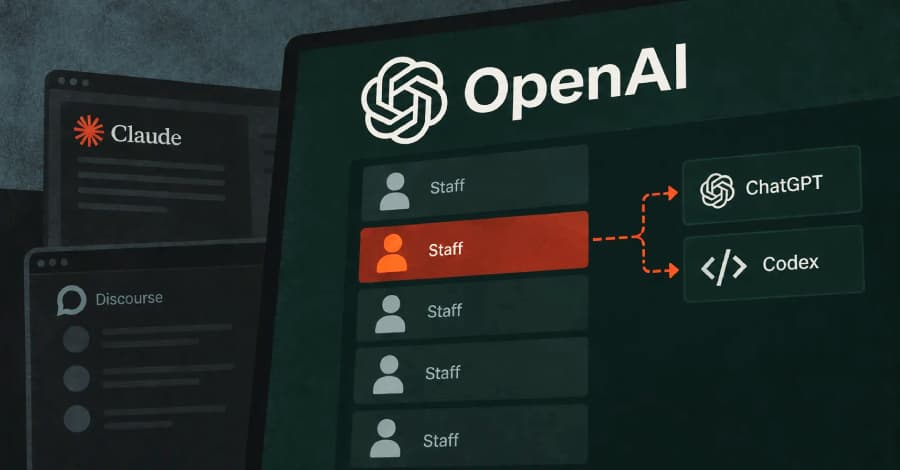
Claude Opus 5 Helped Researchers Take Over OpenAI Staff Accounts via Chained Flaws
Three researchers at the security firm Hacktron used Anthropic's Claude Opus 5 to chain two flaws and take over the ChatGPT and Codex accounts of several OpenAI employees, then reach an internal OpenAI code repository. The chain began with a bug in the software that runs OpenAI's public help forum and moved through a weakness in OpenAI's own login system. This was security research,
Microsoft director: AI scraping 'the largest theft of labor in human history'
Comments
Trump treads further on free speech with new journalist bans
President Donald Trump speaks to reporters on the tarmac before boarding Air Force One. (Photo by Andrew Harnik/Getty Images) | Getty Images On Friday, the president threatened to ban CNN, MS Now, and Politico from the White House. It could have just been another one of his Truth Social fever dreams, but it turns out it's very real. All three publications were turned away from the White House this morning, NPR reports, marking an escalation in the administration's war on the First Amendment. P
Supabase (YC S20) Is Hiring for OrioleDB
Comments
I think you should almost never use AI to write
Comments
Let’s start with a conversation
Tell us what you’re working on.
An idea, a challenge, or a system that needs to work better. We’ll help you understand the next step.
Prefer email? [email protected]